

What Makes Gula Melaka So Special? These 5 Facts Might Shock You
Index
Introduction
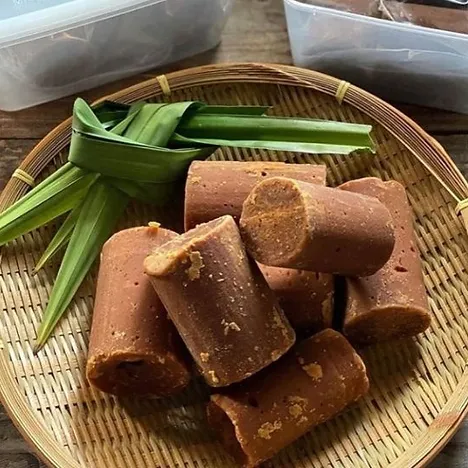
Gula melaka is a beloved, golden-brown palm sugar unique to Southeast Asian cuisine, especially in Malaysia.
It plays a key role in traditional desserts and is a staple in Malaysian kitchens.
Many wonder what makes gula melaka so different from regular sugar—here are key facts to help you discover why.
What is Gula Melaka?
Also called gula merah or palm sugar, it’s a natural sweetener made from coconut palm sap.
The name "gula melaka" comes from Malacca, the Malaysian state famous for producing it.
Unlike white sugar, gula melaka is minimally processed, preserving its nutrients and unique flavor.

Fact 1: Traditional Production Methods Haven't Changed in Centuries
Authentic gula melaka is made using age-old techniques:
Skilled tappers collect sap from coconut palm blossoms, twice daily.
Sap is boiled over wood fires into a thick, caramelized syrup.
Syrup is poured into bamboo tubes or coconut shells to cool, forming signature blocks.
This traditional, labor-intensive process makes authentic gula melaka more expensive.
Watch out for commercial versions mixed with white sugar to lower cost; true producers (like Gula Melaka Kak Liah 1947) offer 100% natural gula melaka.

Fact 2: Its Flavor Profile is Unlike Any Other Sweetener
Gula melaka stands out with its:
Rich caramel flavor, hints of vanilla, and subtle smokiness from wood-fired cooking.
Complex aroma that fills kitchens when melted.
It’s irreplaceable in traditional recipes—artificial substitutes just can't match its depth.
Fact 3: Versatile Uses Across Malaysian Cuisine
Gula melaka isn’t just for sweet dishes; it’s extremely versatile:
Popular desserts:
Sagu gula melaka (tapioca pearls, coconut milk, palm sugar syrup)
Onde-onde (pandan rice balls filled with liquid gula melaka)
Kuih lopes (rice cakes with palm sugar sauce)
Cendol (shaved ice with palm sugar syrup)
Keria gula melaka (sweet potato donuts glazed with palm sugar)
Savory dishes:
Sambal tumis uses gula melaka for balance.
Many curries add it for depth of flavor.
Onde-onde Kuih lopes Cendol Keria gula melaka
Fact 4: Surprising Health Benefits Over Regular Sugar
While still a sugar, gula melaka offers health advantages:
Retains potassium, magnesium, iron—nutrients removed from white sugar.
Has a lower glycemic index for a gentler effect on blood sugar levels.
Contains antioxidants from the natural coconut sap, preserved by traditional methods.
Refined sugar has none of these natural compounds.
Fact 5: Deep Cultural Significance in Malaysian Heritage
Gula melaka's roots run deep in Malaysian culture:
Its production supports rural families and preserves traditional knowledge.
Palm tapping skills are often passed down through generations.
Used in ceremonies, weddings, and celebrations—it’s a symbol of heritage.
The phrase "manis macam gula melaka" means "sweet like palm sugar," showing its cultural value.
Frequently Asked Questions (FAQ)
1. What is gula melaka and how is it different from regular palm sugar?
Gula melaka is a type of palm sugar made from the sap of coconut palm flowers, commonly used in Malaysian cuisine. It has a rich, caramel-like flavor and softer texture compared to most generic palm sugars, which may be made from different palm species and processed differently.
2. How is gula melaka traditionally made in Malaysia?
Gula melaka is crafted through traditional tapping of coconut palm flowers to collect sap, followed by slow boiling and hand-molding into blocks or cylinders. This artisanal process preserves natural flavors and nutrients, making it unique among sweeteners.
3. What are the typical uses of gula melaka in Malaysian desserts and cooking?
Gula melaka is a key ingredient in classic Malaysian dishes such as sagu gula melaka, cendol, and kuih-muih. It melts smoothly and brings rich, smoky-sweet notes, enhancing both desserts and savory recipes.
4. Is gula melaka a healthier alternative to white sugar?
Yes, gula melaka contains vitamins, minerals, and antioxidants naturally found in coconut sap. It is less processed than white sugar, has a lower glycemic index, and offers subtle health benefits when used in moderation.
5. Where can I buy authentic gula melaka and what should I look for?
You can purchase authentic gula melaka online or in specialty Asian grocery stores. Look for products made from 100% pure coconut palm sap with no added sugar or artificial flavorings for the best taste and health benefits.
Conclusion: Experience Authentic Gula Melaka Today
Gula melaka is much more than just a sweetener:
It’s a product of skilled craftsmanship and a cherished part of Malaysian heritage.
Its unique flavor enhances both desserts and savory dishes.
Next time you eat sagu gula melaka or cendol, remember the tradition behind the taste.
Want to taste the real thing? Buy Authentic Gula Melaka Online—choose products that guarantee 100% natural ingredients with no added sugar.


Comments